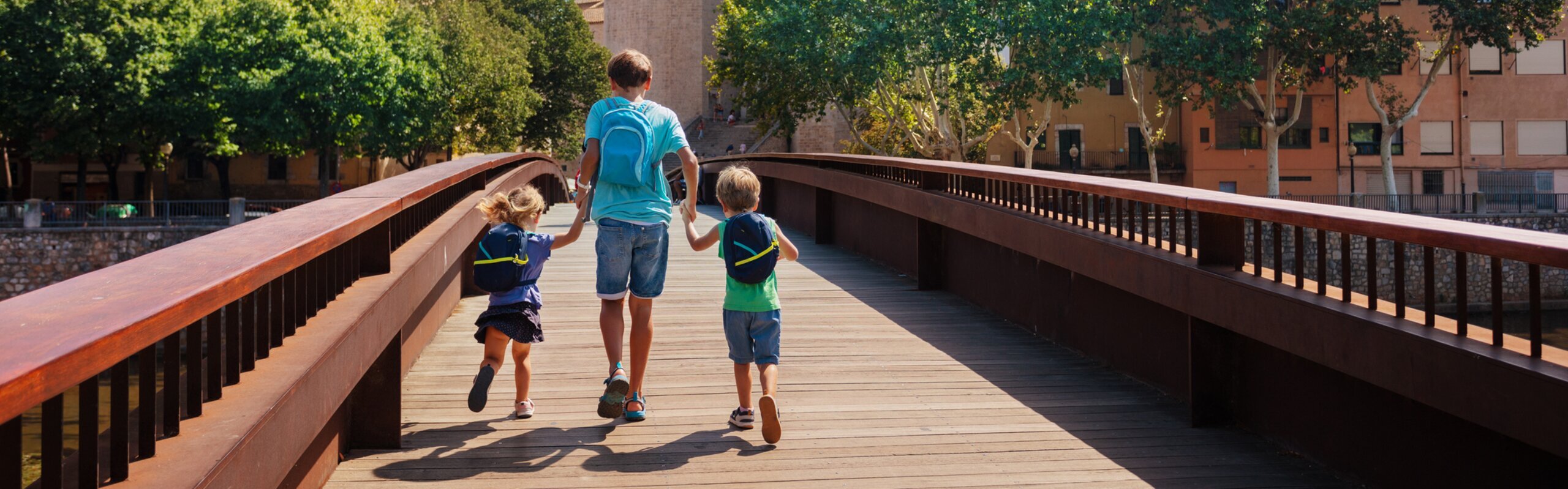
Characterized by mild winters and hot, dry summers, Spain is bathed in sunlight at most times of the year.
In most guidebooks or online guide articles, you would find that the best times to visit Spain given are spring (April to May), boasting comfortable daytime temperatures averaging from 61-73°F (16-23°C), and in autumn (September to October), with temperatures of 71-81°F (21-27°C).
These seasons offer comfort, fewer crowds, and relatively lower prices compared to the peak season. However, there is one exception, which is during Easter (the 4-day weekend falling between March 22nd and April 25th). While the weather remains pleasant during these times, it also attracts many local European tourists to Spain for a vacation, resulting in busy traffic and crowds. Additionally, the seawater, which averages about 61-67°F (16-20°C) in spring/fall, might feel slightly cool in April and October.
Weather temperature source from: https://weatherspark.com/
March and November Are Two More of the Best Months
March: Marks the transition from winter to spring, offering mild weather with daytime temperatures averaging from 58-66°F (14-19°C). It is also the transition from low to mid-season, still benefiting from off-peak prices and fewer crowds at attractions. However, it is not suitable for beach activities.
November is often considered a rainy month in Spain, prompting many tourists to avoid it. However, late October to early November is actually the rainiest period in Spain with an average of only 7 rainy days, so it would not affect your travel that much. Despite a significant drop in temperatures, November has comfortable weather with temperatures of 59-66°F (15-19°C) before the onset of winter, requiring only a light coat for warmth.
Best Times for a Family Trip with School Children
Due to academic schedules, many families an only travel during the Easter holiday, summer vacation, or Christmas holiday. In order of recommendation, we suggest: June > March/April > July > January > December > August.
Among these, we highly recommend June if your children finish school early for summer.June is a suitable month for outdoor and beach activities with daytime temperatures of about 20–28°C (68–82°F) before the hottest months (July and August), fewer crowds compared to July and August as most local European children have their vacations during these months, and it's good for exploring inland cities and enjoying seaside activities. The Christmas holiday period is not warm enough for most seaside activities and tends to be more expensive than June.
Worst Times to Visit Spain
The worst times to visit Spain are during July and August due to the following reasons:
- Hot weather: While suitable for seaside activities, temperatures may be uncomfortably high. Daytime temperatures are usually more than 87°F (30℃). However, the northern regions offer a chance to escape from the heat.
- Crowds: It's the local summer vacation period, resulting in crowded tourist destinations and beaches.
- High prices: Due to high demand, prices for accommodation and other services are typically inflated.
Similarly, the Christmas season (December 23rd to January 5th) is not ideal due to:
- Busy traffic: The holiday season results in increased traffic jams.
- High prices: Accommodation and other expenses tend to be more expensive.
- Low seawater temperatures: Many seaside hotels are closed during this period due to the cool sea temperatures of about 61°F (16 °C), which are not suitable for water activities.
Spain's Weather by Month
- See below for more-detailed travel and weather information for each month. Whichever month you choose, be reassured that our tours are adjusted/customized based on your requirements to make the best of the seasonal opportunities and conditions. Just contact us for a tailored tour.
- Jan.–Feb.
- March-May
- June
- Jul.-Aug.
- Sept.-Oct.
- November
- December
Janu–February
Averages:
- Daytime temperatures: 51-57°F (10-13°C)
- Rain: 3–6 days, 25–43 mm (1–2″)
Activities:
The colder weather is an ideal time for visiting museums without crowds or engaging in indoor activities such as tasting tapas, wine tasting, experiencing flamenco performances, or taking a paella cooking class.
Festivals to enjoy:
- Three Kings' Day: On January 6th, you could watch a parade of floats and catch candies that are thrown from them.
- Spanish Carnival, which is always about 40 days before Easter Sunday, takes place in cities all over Spain, but Madrid and Barcelona host amazing parties to celebrate it.
See more on Weather in Spain in January.
See more on Weather in Spain in February.
March-May
Averages:
- Daytime temperatures: 60-75℉(16-23℃).
- Rain: 4–6 days, 20–43 mm (1–2″)
Activities:
With vibrant flora and mild temperatures, March to May is the perfect time for engaging in outdoor activities, such as city walking tours, hiking, and experiencing the cultural tradition of bullfighting.
In Spain, the streets come alive with vibrant activities and parades starting a week before Easter, also known as Holy Week. During these festivals, each city showcases spectacular bullfighting performances.
Festivals to enjoy:
Fallas on March 15–19th in Valencia boasts a giant and splendid puppet parade made of cardboard and foam as well as fireworks.
Feria de Abril falls 2 weeks after Easter in Seville. People dress in traditional Andalusian costumes and the entire city is filled with music, food, dance, and joy.
Madrid celebrates the San Isidro Fair in May.
See more on Weather in Spain in March.
See more on Weather in Spain in May.
June
Averages:
- Daytime temperatures: 76-84°F (25-29°C)
- Rain: 4 days, 20–25 mm (1″)
Activities:In June, leisurely city strolls and hikes are pleasant. Temperatures increase, allowing for enjoyable beach outings as well.
Festivals to enjoy:
Hogueras de San Juan, celebrated on June 23rd, is also known as the Bonfires of San Juan festival. Then, you could gather around bonfires to eat, dance, and set off fireworks. The grandest one is in Alicante, Valencia.
World Tapas Day, celebrated every year on the third Thursday of June, is a celebration of Spanish culinary culture. On this day, cities across Spain host events and activities around the theme of tapas. You could indulge in a variety of tapas, sampling different flavors and delights within a single day.
See more on Weather in Spain in June.
July-August
Averages:
- Daytime temperatures: 86-91℉(30-32°C)
- Rain: 2–4 days, 8–30 mm (0–1″)
Activities:
Due to the high temperatures in Spain's summer, we recommend indoor activities, such as visiting museums, exploring indoor markets, and enjoying culinary experiences like cooking classes or wine tastings. Additionally, consider scheduling outdoor activities for the late afternoon. During the summer days, attractions typically remain open until 8pm, making it ideal to visit them in the early evening and then enjoy the local nightlife.
During the summer months, beaches tend to attract larger crowds, but cities like Bilbao in the northern region maintain a pleasant temperature of about 75°F (24°C). Choosing to explore northern cities, such as San Sebastián and Bilbao, could offer a refreshing escape from the sweltering summer heat while allowing visitors to immerse themselves in the north's distinctive local culture and flavors.
Festivals to enjoy:
During the Running of the Bulls in July, you would witness people wearing white clothing adorned with red scarves as they revel all night and chase bulls in the morning.
The Tomatina Festival, held on the last Wednesday of August in Valencia, offers the opportunity to join in a massive tomato fight.
See more on Weather in Spain in July.
See more on Weather in Spain in August.
September-October
Averages:
- Daytime temperatures: 69-82°F (20-27°C)
- Rain: 2–6 days, 20–60 mm (1–2″)
Activities:
September to October marks the prime season for indulging in harvest festivals held in villages, showcasing an array of crops including pumpkins, cherries, raspberries, and chestnuts. You could partake in activities such as fruit picking and scenic treks.
Festivals to enjoy:
Bienal de Flamenco is held every other year in mid-September in Seville, lasting for 2 weeks. There, you could experience the most brilliant flamenco performances in theaters.
The Fiestas de Nuestra Señora de la Merced begin on September 24th in Barcelona and last for 5 days. During this time, you could witness fireworks, human towers, and giant parades.
Spain's National Day is designated to be on October 12th by the Spanish government. A military parade takes place in Madrid and museums offer free admission starting from 10am on this day.
Madrid's Transhumance Festival takes place on October 24th annually, where you could see thousands of sheep marching through the city center.
See more on Weather in Spain in September.
See more on Weather in Spain in October.
November
Averages:
- Daytime temperature: 58-67°F (14-19℃).
- Rain: 5–6 days, 41–66 mm (2–3″)
Activities:
As autumn arrives and temperatures decrease, many cities are adorned with the vibrant colors of red, gold, and brown leaves. Leafy avenues and the soft, golden light cast over stone architectural masterpieces add to the beauty. It is an ideal time for a leisurely stroll through the city.
Festivals to enjoy:
The San Andrés Festival in Tenerife takes place at the end of November every year, offering an opportunity to sample new wine varieties and celebrate the annual grape harvest.
See more on Weather in Spain in November.
December
Averages:
- Daytime temperature: 51-63°F (11-17℃)
- Rain: 4–6 days, 30–60 mm (1–2″)
In December, Spain's streets are adorned with Christmas decorations and you would find Christmas markets bustling with festive cheer. If you're considering a Christmas holiday in Spain, the chilly weather may limit your options. If you prefer to avoid cold weather, cities in the south, such as Seville and Malaga, are better choices than Madrid.
See more on Weather in Spain in December.