
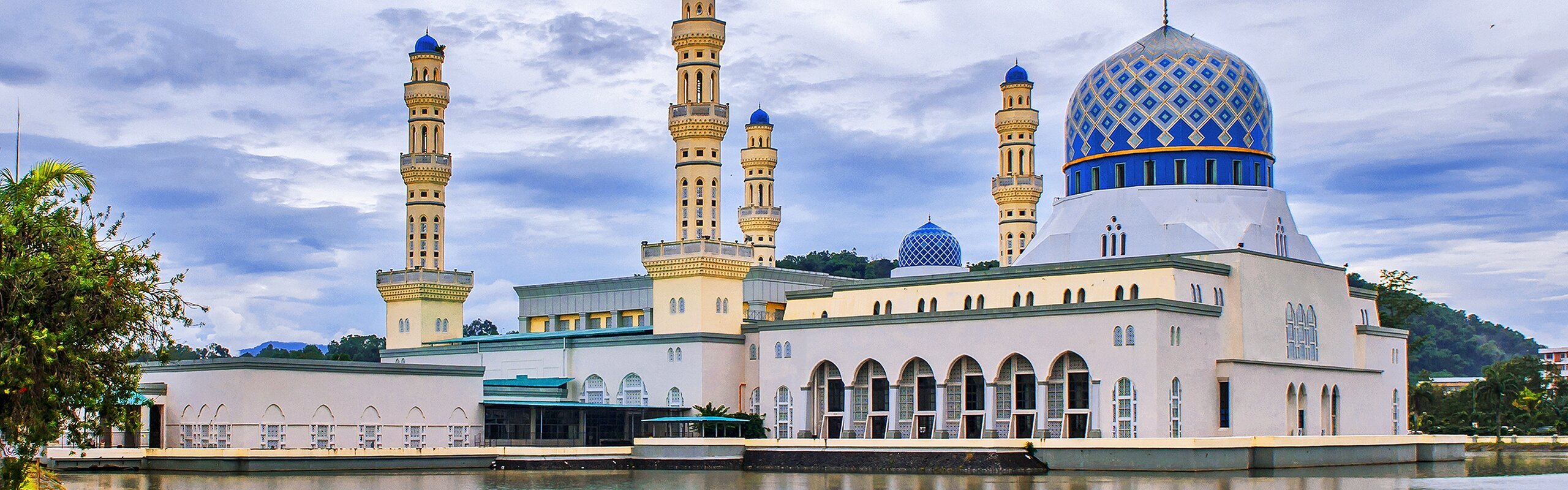
Eid al-Fitr, also known as 'the Festival of Breaking the Fast', marks the end of the sacred Ramadan fasting month. It is a joyous occasion for Muslims, during which they gather for feasts, offer prayers, and engage in acts of charity. The festival is usually celebrated for 2–3 days.
When Is Eid al-Fitr 2026?
In 2026, Eid al-Fitr is likely to begin at sundown on the evening of March 19th and last until the sundown on the evening of March 22nd. Eid al-Fitr marks the end of Ramadan. It usually starts immediately after the last day of Ramadan (the ninth Islamic month) and continues to the second day of Shawwal (the 10th Islamic month).
As the Islamic calendar is lunar, the Gregorian calendar date for Eid al-Fitr changes by about 11 days earlier each year.
Eid al-Fitr begins on the first day of the 10th Islamic month (Shawwai). The Islamic calendar lunar months begin with the sighting of the new moon; a month could either be 29 or 30 days, so the date for Eid al-Fitr changes each year.

Things You Should Not Do During Eid al-Fitr
Eid al-Fitr is a joyful event for Muslims all over the world. Muslims celebrate the festival with mouthwatering feasts and happy wishes. Although a happy event, there are still some things you should not do, either so as not to spoil the festival atmosphere or to show your respect:
- Fasting: Eid al-Fitr is a celebration that marks the end of Ramadan, a month of fasting for Muslims. It is important (for Muslims in particular) not to fast on the day of Eid al-Fitr.
- Drinking alcohol: Consuming alcohol is not allowed during Eid al-Fitr (or at any time for Muslims). Even if you are not a Muslim or do not observe Eid al-Fitr, it is advisable to refrain from drinking alcohol in public, if you are visiting Muslim countries, to show your respect.
- Eating pork and haram foods: Pork and foods that are considered haram (forbidden) in Islamic dietary laws are still prohibited for Muslims during Eid al-Fitr.
How Is Eid al-Fitr Celebrated by Muslims Worldwide?
Celebrations for Eid al-Fitr in 2026 will probably be concentrated on the days from March 20th to 22nd in most places, especially the first day. Once the new moon is sighted, Muslims begin the festival with a prayer, when they gather in mosques, homes, or open grounds to praise Allah.
On the first day (tentatively March 20th in 2026), from dawn, households wake up early and clean both indoors and outdoors. Adult Muslims are required to cleanse themselves by bathing and purifying their bodies. Men, women, and children all dress in new clothes.
Afterward, they start the day by attending communal prayers, known as Salat al-Eid, which are held in mosques or open grounds.
The festival is a great time for gathering with families, friends, and visiting relatives. People wear their finest clothes, visit loved ones, and share food with friends or neighbors. It is common to give gifts or small sums of money to children.
How Eid al-Fitr Is Celebrated in Egypt
During Eid al-Fitr in Egypt, people welcome the festival with an early morning prayer. The streets of Cairo are filled with people dressed in their best attire. Tens of thousands gather in front of Al Mustafa Mosque in downtown Cairo for the first morning prayer of Eid al-Fitr.
Egyptians like to celebrate with others. So, during the festival, all the cafés and shops in Cairo are adorned with lights and decorations, and the streets are bustling with traffic and crowds of people.
As part of the festival customs, young kids visit their neighbors and ask for small gifts.
In recent times, more people prefer to spend their time on family outings. Therefore, you would see locals cruising on luxury boats along the Nile River or vacationing in popular tourist cities, such as Sharm el-Sheikh on the coast of the Red Sea.
How Eid al-Fitr Is Celebrated in UAE
In UAE, Eid al-Fitr 2026 will be celebrated for 3 days from Shawwal 1-3. People dress up in the best attires and gather at the nearest mosque for the morning Eid prayers. Buidlings, shops, and roads are decorated in festival lights.
How Eid al-Fitr Is Celebrated in Turkey
In Turkey, the festival is popularly known as Ramazan Bayramı or Şeker Bayramı. On the first day, families visit the graves of their ancestors, offer prayers for their souls, and clean the gravesites.
In Turkey, the people who are most excited about Eid al-Fitr are the children. During the festival, they go from door to door in their communities, knocking on each household's door and wishing everyone a happy holiday. In return, they receive rewards, such as candies, chocolates, and traditional pastries like cevizli sucuk and lokum , which is very similar to Halloween in the United States.
How Do You Wish Someone a Happy Eid al-Fitr?
You can exchange Eid al-Fitr greetings by saying "Eid Mubarak!" In Arabic, this translates as 'Blessed Eid' or 'Happy Eid'. It is commonly used among Arabic-speaking communities.
However, various Muslim-majority nations in Africa, Asia, and elsewhere use other greetings in their native languages.
What Is the Connection Between Ramadan and Eid al-Fitr?
Eid al-Fitr marks the end of the holy month of Ramadan, with the last day of Ramadan preceding the beginning of Eid al-Fitr. For example, in 2026, Ramadan is expected to finish at sundown on March 19th, making sundown on March 20th the beginning of Eid al-Fitr.
Eid al-Fitr is celebrated for 1 to 3 days, starting from the end of Ramadan. Most Muslims celebrate Eid al-Fitr with a grand feast after the Ramadan month of fasting.
Are Eid al-Fitr and Eid al-Adha the Same?
No, Eid al-Fitr and Eid al-Adha are not the same. They are two different Islamic festivals.
Eid al-Fitr is celebrated at the end of the Islamic holy month of Ramadan. It marks the culmination of fasting and is a time of joy, gratitude, and feasting.
Eid al-Adha is known as the 'Festival of Sacrifice' and commemorates the willingness of Ibrahim (Abraham) to sacrifice his son as an act of obedience to God. It also marks the end of the Hajj pilgrimage. Muslims celebrate Eid al-Adha by attending prayers and sacrificing animals, such as sheep, goats, and cows.
Why Does the Date of Eid al-Fitr Change Each Year?
Dates for Eid al-Fitr are determined by the Islamic calendar, which is a lunar calendar consisting of 12 lunar months amounting to 354 or 355 days in total. The Islamic calendar doesn't align with the Gregorian calendar by 10 to 12 days, which is why the dates for Eid al-Fitr and other Islamic festivals are different on the Gregorian calendar year on year.
In the Islamic calendar, the month begins when the first crescent of a new moon is sighted, meaning that the calendar differs by up to a day depending on the location.
Festival timings are usually either linked to the Saudi Arabian official calendar or the local moon phases. As this differs across the globe, and sunset and sunrise timings differ too, Muslims in different countries might celebrate Ramadan on different dates and fast for a different period of time.
How Are the Dates of Eid al-Fitr Determined?
The dates of Eid al-Fitr are determined based on the Islamic calendar. It occurs at the beginning of the 10th month of the Islamic calendar, known as Shawwai.
The Islamic calendar, also called the Hijri calendar, is a purely lunar system. It relies on the sighting of the moon, and each month begins with the appearance of a new moon. A month in the Islamic calendar can be either 29 or 30 days, depending on the observation or calculation of the new moon.
If the new moon is observed or calculated, the month will last for 30 days. However, if the new moon is not sighted or its confirmation is uncertain, the month will be 29 days.
The timings of the festival are usually either linked to the Saudi Arabian official calendar or the local moon phases. As this differs across the globe, and sunset and sunrise timings differ too, Muslims in different countries might celebrate Ramadan on different dates and fast for a different period of time.
Since the start of the Islamic month is largely determined by the sighting of the new moon, the exact date for Eid al-Fitr, as well as Ramadan and other Islamic festivals, may be determined quite close to the time. That is why only a probable date can be given months or years in advance.
You May Also Want to Read
Get Inspired with Some Popular Itineraries
|
|
|
|
|